Research & Innovation Community

Where Research Meets Real-World Practice

Strengthening the practitioner research community through applied AI, robotics, and intelligent systems.

An independent, practitioner-driven research and innovation community empowering students, researchers, and industry partners.

Who We Are

RAIHARC was founded to provide students and practitioners with a space to explore, develop, and accelerate their passion in robotics, artificial intelligence, hardware, and application development.

As the community grew, RAIHARC evolved beyond internal activities into a collaborative ecosystem focused on multiplying research impact. Through strong mentorship, experimental thinking, and a growth-driven culture, we help members and partner teams advance their projects and research outcomes.

Today, RAIHARC operates at the intersection of academia and industry, combining scientific rigor with startup-style execution.
Our Impact

Measurable results from our research and innovation efforts

0+
Projects Completed
0+
Research Publications
0+
Active Members
0+
Industry Collaboration

What We Do

Our hybrid research-startup approach to innovation

πŸ”¬

Applied Research

We conduct practice-oriented research that produces both real-world solutions and scholarly outputs.

βš™οΈ

System & Product Development

We design, build, and validate intelligent systems in collaboration with academic and industry partners.

πŸ“˜

Community & Knowledge Development

We accelerate learning through mentoring, workshops, collaborative projects, and technical publications.

Featured Showcase

Selected member-led projects that demonstrate our applied research and engineering capabilities.

View All Projects β†’
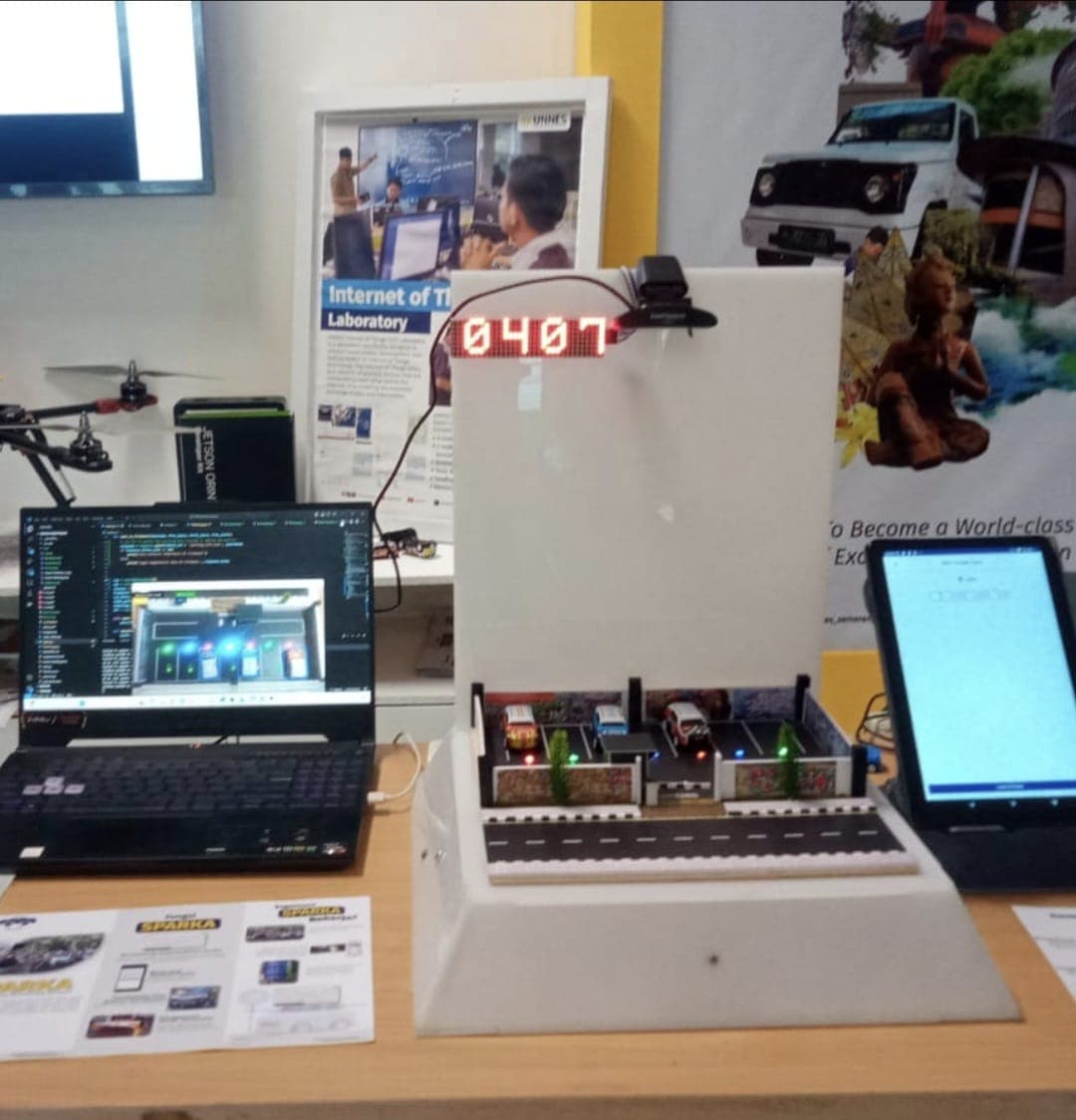
SPARKA
AI

SPARKA

A smart parking monitoring system utilizing AI-powered vehicle recognition.

View Project β†’
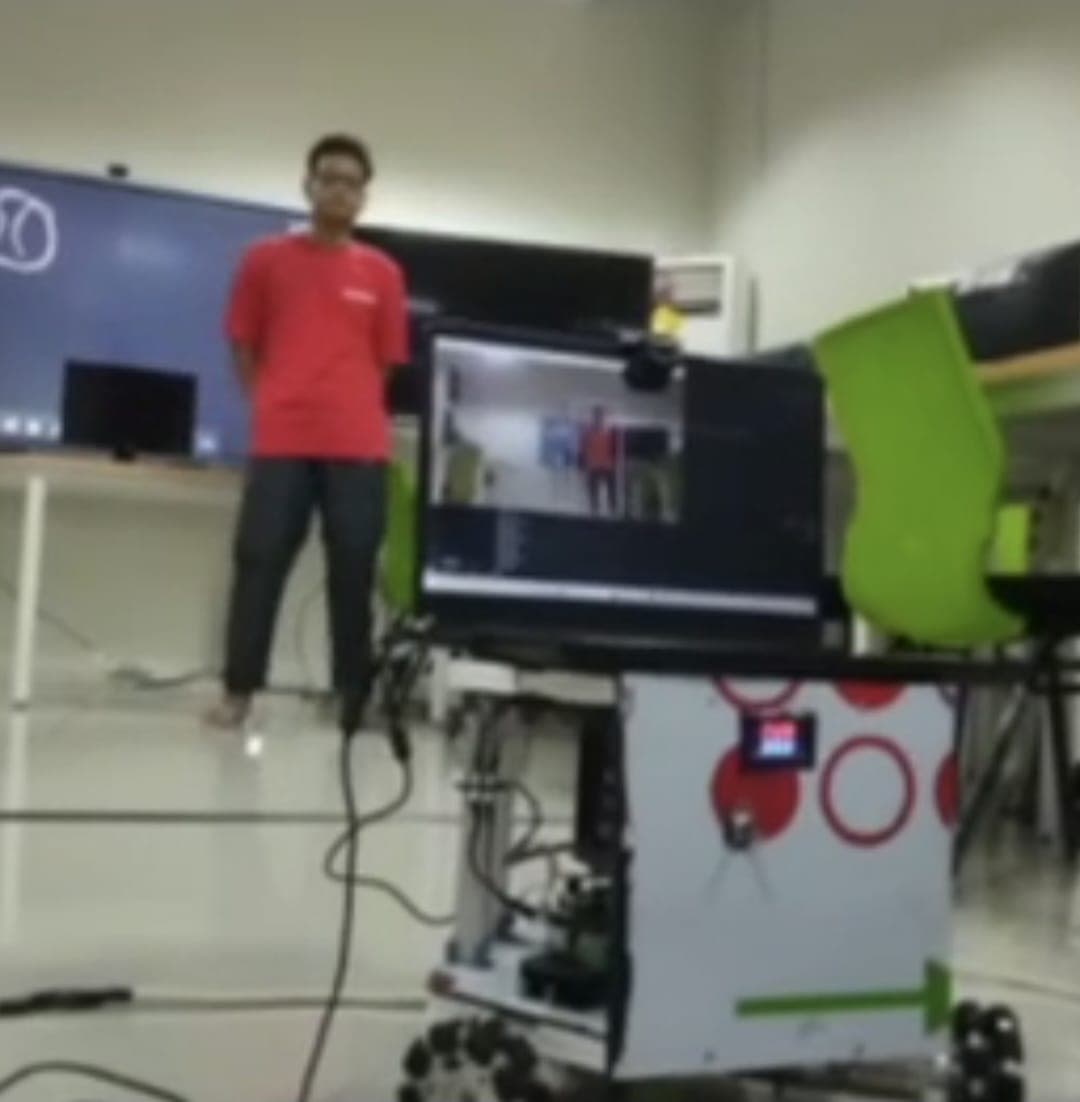
REMOSTO
AI

REMOSTO

A real-time robot for remote monitoring system for smart infrastructure.

View Project β†’
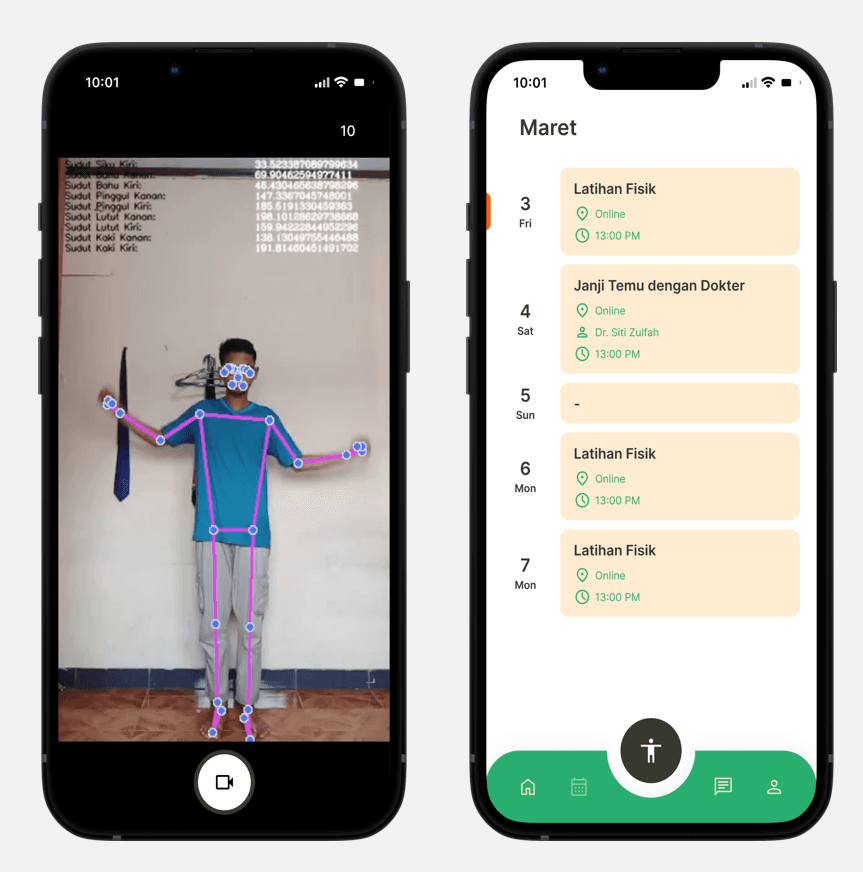
APPSTRO
Software

APPSTRO

An Application for Stroke Rehabilitation

View Project β†’
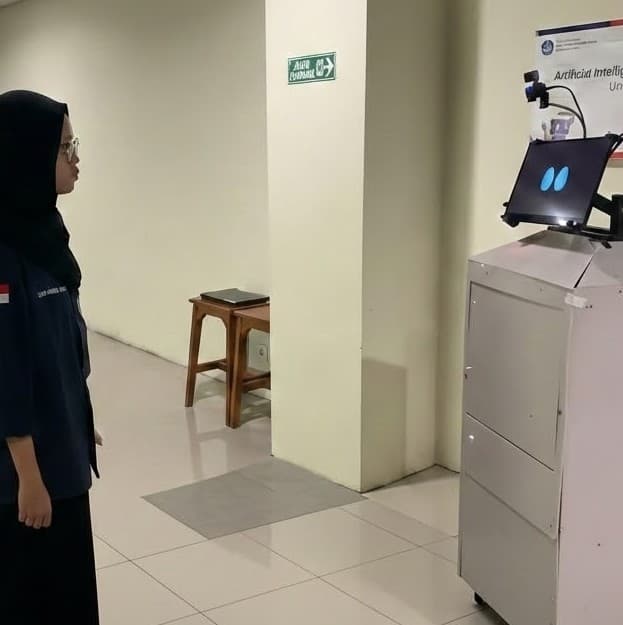
RoboCam
Robotics

RoboCam

An robot that follow human movement on tele-teaching

View Project β†’

Projects shown are independently developed by RAIHARC members and collaborators.

How We Work

Our systematic approach to research and innovation

01

Discover

Identify research opportunities and real-world problems.

02

Design

Develop scientific and engineering solutions.

03

Build

Implement, test, and optimize systems.

04

Publish & Deploy

Share knowledge and deliver practical impact.

Our Programs

Our programs support research-driven innovation and sustainable collaboration.

πŸ€–

AI & Robotics Development

Custom AI and robotics systems for real-world applications

  • Machine learning models
  • Robotic system design
  • Computer vision solutions
πŸ”§

System Prototyping & Integration

End-to-end system development and hardware integration

  • Proof of concept
  • MVP development
  • System integration
πŸ’‘

Research & Technical Consulting

Architecture, feasibility analysis, and technical advisory

  • System design
  • Technology assessment
  • Strategy planning
πŸ“š

Training & Capacity Building

Workshops, bootcamps, and mentoring programs

  • Technical workshops
  • Team training
  • Knowledge transfer

Flagship Initiatives

Member-driven research initiatives

REMOSTO

Smart Tourism Monitoring

IoT-based infrastructure monitoring for tourism sites

Learn More β†’

SPARKA

Intelligent Parking System

AI-powered parking space detection and management

Learn More β†’

APPSTRO

Post-Stroke Rehabilitation App

Mobile application for stroke patient recovery support

Learn More β†’

Publications

Our research outputs reflect our commitment to scientific rigor, openness, and long-term impact.

View All β†’

Development and Evaluation of BABAT TB: A Smart System-Based Reminder Box for Enhancing Tuberculosis Medication Adherence

Healthcare Informatics Research β€’ 2026

This study aimed to develop and evaluate the functionality of a smart system-based prototype, β€œBABAT TB,” a medication box designed to assist tuberculosis (TB) patients in adhering to their treatment schedules.The development of the BABAT TB prototype followed the Design Science Research Methodology framework, encompassing the stages of problem identification and motivation, defining the objectives for a solution, and system design and development. Problem identification and motivation were established through semi-structured interviews with TB program officers and document analysis. The prototype integrates two main functional components: a drug quantity monitoring module and a reminder/alarm system for medication schedules, both monitored in real time. Serial communication through a SIM register is used to transmit real-time drug quantity data to the associated application. The system is powered by two 4,000 mAh lithium batteries, providing up to 2 months of use without recharging. The prototype consists of three core hardware components: the input control circuit, the timer circuit, and the drug amount detection circuit. All modules were successfully assembled and powered. The timer was configured according to medical prescriptions, and the alarm activated at the scheduled times, effectively reminding patients to take their medication. The BABAT TB prototype effectively measures medication quantities and provides timely alerts, thereby supporting adherence to TB treatment. In addition, it can transmit data related to drug quantities, consultation schedules, and prototype identity cards (IDs) to a database.

See More

Agrivoltaics in Japan: A Review of Current Practices, Challenges, and Future Directions

Journal of Electronics Technology Exploration (JoETEX) β€’ 2025

This review examines agrivoltaics in Japan integrating solar photovoltaic (PV) systems with agricultural production as a dual-use land strategy to address constrained arable land, decarbonization goals, and energy security. Using a thematic synthesis of published studies and documented Japanese cases, the paper maps current deployment practices, reported agronomic and energy outcomes, and the main constraints shaping adoption. The literature indicates that well-designed agrivoltaic configurations can maintain crop production while adding renewable electricity generation, with outcomes strongly influenced by site conditions, crop type, shading design, and farm management. Evidence also points to potential co-benefits such as reduced heat stress and improved microclimate stability, but trade-offs may emerge for light-sensitive crops or under suboptimal PV spacing and height. Key barriers in Japan include high upfront investment, complex permitting and compliance requirements, and concerns over land-use integrity and long-term agricultural continuity. Future research should prioritize longitudinal field data on crop yield and quality, soil and water dynamics, and ecosystem effects, alongside standardized performance metrics and policy/financing mechanisms that align farmer incentives with grid and climate objectives.

See More

The Performance of Water Irrigation Control using Fuzzy-GA Approach

Jurnal Teknik Pertanian Lampung β€’ 2025

Irrigation in agriculture uses around 70% of freshwater resources globally, but traditional systems often result in ineffective utilization through rigid schedules or skewed decision-making. This article proposes an improved fuzzy logic controller developed using a Genetic Algorithm (GA) to optimize soil moisture control. The GA optimizes the fuzzy membership functions within 50 generations to enhance irrigation efficiency. Simulation and experimental results show that the fuzzy-GA controller maintained soil moisture at values close to the desired value of 25.1% with lower error rates, saving 858 mL more water than manual irrigation and 16 mL more than conventional fuzzy control. The results confirm the potential of fuzzy-GA systems in optimizing irrigation efficiency and ensuring sustainable use of water in agriculture. The fuzzy-genetic algorithm (Fuzzy-GA) improves fuzzy logic control by maintaining soil moisture at a target level of 25.1%, with a very low steady-state error of 0.03783%.

See More

Insights & News

We actively share project stories, research updates, and community activities.

View All β†’
Learning Material

February 19, 2026

Clean Architecture, CI/CD, and Security Practice on Developing Kotlin Android Application

Exploring by real project how to implement clean architecture, CI/CD, and security practice on developing kotlin android application that documented on this repository.

Learning Material

February 8, 2026

Clean Architecture and Komodo Deployment on JavaScript Backend Application

Exploring by real project how to implement clean architecture and komodo deployment on javascript backend application that documented on this repository.

Tutorial

January 20, 2026

Setup Tutorial on NVIDIA RTX 5070 Ti for Deep Learning Development

A comprehensive setup guide and benchmark suite for Deep Learning (TensorFlow/PyTorch) on the NVIDIA RTX 5070 Ti (Blackwell), featuring WSL2 optimization and fixes for Compute Capability 12.0.

Ready to Collaborate With RAIHARC?

Whether you are a student, researcher, or industry partner, we welcome collaboration to build impactful research and innovation together.